Commercial Building Moisture Problems in Central Florida: A Property Manager’s Guide to Communication and Next Steps
If you manage a commercial property in Central Florida, moisture is not an occasional nuisance. It is part of the job. Afternoon storms roll in fast, humidity hangs in the air for months, air conditioning systems work hard, and older buildings often carry hidden vulnerabilities that only show up when water finds a path inside.
That combination creates a familiar pattern across Lake County and nearby areas like Orange, Seminole, and Osceola counties. A tenant calls about a ceiling stain. Someone notices a musty smell in a vacant suite. A maintenance tech spots condensation around an HVAC area. After a weekend storm, the carpet near an exterior wall feels damp. None of these situations look dramatic at first. Some turn out to be minor. Others are early warnings of a problem that gets more expensive, more disruptive, and harder to explain if it sits too long.
For a property manager, the challenge is rarely just the moisture itself. It is the communication around it. Tenants want answers right away. Ownership wants a clear scope, likely cost exposure, and a sensible plan. Vendors need access, decisions, and a point of contact. If indoor air quality becomes part of the conversation, emotions rise fast, especially when people start using the word mold before anyone has established what is actually happening.
The managers who handle these situations best usually do three things well. They document clearly, they communicate steadily, and they know the difference between urgent action and guesswork.
The Central Florida factor
Buildings in Central Florida deal with pressure from both weather and climate. High humidity alone can make a building feel off before there is a visible leak. Add repeated summer storms, heavy rain events, and hurricane season preparation in Florida, and moisture control becomes a year-round discipline rather than a one-time repair item.
Florida’s official hurricane season runs from June 1 through November 30, and waiting until a storm is on the map is late. By then, contractors are busy, tenants are anxious, and small maintenance issues can become emergency problems. A clogged drain line, failed sealant joint, or roof weakness that would be manageable in May may create a serious water intrusion issue in August or September.
Commercial buildings also have another challenge that people forget: occupancy patterns. A retail space, office, medical suite, or warehouse can all respond differently to moisture. Some spaces have more foot traffic and tighter operating hours. Some have sensitive materials, paper records, electronics, or odor concerns. Some have employees who are highly aware of indoor comfort and indoor air quality in Florida, even before there is any confirmed contamination.
That means your response has to fit the building and the people using it, not just the wet area on a floor plan.
What tenants need to hear first
The first conversation matters more than many managers realize. When tenants report water damage, they are usually asking three questions at once, even if they only say one out loud. Is it safe? Is someone taking this seriously? How long is this going to affect my business?
A calm, direct response goes a long way. You do not need to promise outcomes you cannot control. You do need to communicate that the issue has been logged, that someone is evaluating the source and extent, and that the next update will come at a specific time. Property manager water damage communication is often less about having every answer immediately and more about reducing uncertainty.
I have seen avoidable friction start with small wording mistakes. If a manager says, “It’s probably nothing,” and the smell gets worse two days later, confidence drops fast. On the other hand, saying, “We’ve identified moisture and we’re moving quickly to determine the source, protect the area, and coordinate next steps,” tells people something useful without guessing.
It also helps to separate observations from conclusions. “There is visible staining and a damp carpet section near the east wall” is stronger than “There’s definitely mold in the wall.” In Florida, the Department of Health advises looking for signs of moisture or water damage and does not recommend mold testing or sampling as the first step. That practical point is important because testing often becomes a distraction when the real first job is stopping moisture intrusion and assessing impacted materials.
What to document before the story gets messy
When a moisture event happens, details blur quickly. A tenant may remember the odor started “a while ago.” A maintenance tech may have noticed condensation last month but not tied it to the current complaint. Ownership may ask whether this is a new event or part of an ongoing pattern. Good records keep the conversation grounded.
Here is a simple water damage checklist that helps property managers stay organized in the first hours:
- Record the date, time, exact location, and who reported the issue.
- Photograph visible conditions before materials are moved, if it is safe to do so.
- Note active moisture signs such as dripping, staining, odors, humidity, or condensation.
- Document immediate protective actions, including tenant notifications and any access restrictions.
- Track every vendor contact, site visit, and recommendation in one running log.
That list is not glamorous, but it protects everyone. It creates a timeline. It helps ownership understand why decisions were made. It also makes handoffs smoother when a plumber, roofer, HVAC contractor, or commercial mold remediation team arrives and needs context fast.
Moisture problems are rarely just one thing
One mistake I see often is treating every moisture complaint like a simple leak. In reality, commercial moisture problems can come from more than one source at the same time. A building may have a roof issue, high indoor humidity, and an HVAC drainage problem all contributing to the same complaint. If you fix only the most obvious symptom, the problem may appear to disappear and then come right back.
Older structures deserve extra caution. In residential work, people often talk about home inspection older homes Florida concerns because age can hide deferred maintenance, dated materials, and long-term moisture patterns. Commercial buildings can carry the same kind of history. Previous repairs may have covered damage without fully correcting the cause. Tenant buildouts may have changed airflow or access. A long-vacant suite may have had comfort issues that no one noticed because nobody was there every day.
This is where experience and restraint matter. Not every stained ceiling tile means a widespread interior problem. At the same time, not every musty smell should be brushed off as “just Florida.” The right approach is to investigate methodically, not dramatically.
Mold conversations: lower the temperature, raise the clarity
Few words trigger stronger reactions than mold. Some people assume every patch of discoloration is dangerous. Others believe mold is overblown and mostly a sales tactic. The truth sits in the middle, and property managers do well when they avoid both extremes.
Mold myths cause delays because they push people into argument mode. One common myth is that testing should always come first. Another is that if you cannot see mold, there is no issue. A third is that bleach or fragrance solves the problem. In a humid climate, mold concerns are tied closely to moisture conditions. If water intrusion or excess humidity continues, the problem does not improve because someone sprayed something or opened a door for an hour.
The practical message for tenants and owners is straightforward: visible moisture, water damage, and musty conditions deserve attention because they can affect materials, operations, and comfort. The first priority is to control moisture and evaluate impact. Depending on what is found, commercial mold remediation may become part of the scope, but not every complaint starts there.
This approach also helps with indoor air quality Florida concerns. Indoor air quality is not only about lab reports. It is also about damp materials, odor, ventilation performance, and how spaces feel to occupants. People trust a manager more when the explanation reflects real building conditions rather than a script.
Mitigation and remediation are not the same job
These terms get mixed together constantly, and that confusion affects budgets, expectations, and scheduling.
| Term | What it usually means in practice | |---|---| | mitigation | Immediate actions to stabilize the situation, reduce further damage, and begin drying or protecting the area | | remediation | Corrective work aimed at removing or addressing confirmed contamination or damaged materials after the problem has been assessed |
That distinction matters. Mitigation vs remediation is not just industry jargon. It changes how you explain the project to an owner and how a tenant experiences the work. If a team extracts water, sets up dehumidification and air scrubbers, isolates part of a suite, and works to prevent further damage, that is typically stabilization work. If damaged materials must later be removed and conditions corrected because contamination or deterioration is present, that moves into remediation.
Property managers save themselves trouble when they use the right term at the right time. If you tell a tenant “remediation starts tomorrow” when the first phase is really moisture control and drying, they may expect a complete resolution in a day or two. Better to say what is actually happening.
Drying equipment can worry tenants if nobody explains it
A common sticking point is noise and appearance. Dehumidification and air scrubbers are useful in many moisture-related situations, but to occupants they can look alarming. Machines appear, plastic barriers go up, and suddenly a manageable issue feels like a crisis.
This is where plain language helps. Explain what the equipment is doing, how long it may stay, what areas will be affected, and who to contact if business operations are disrupted. A tenant can usually tolerate inconvenience when they understand the purpose. What they hate is silence.
It is also worth explaining that drying and air management measures do not necessarily mean the worst-case scenario. Sometimes they are simply part of a prudent response to moisture in a commercial setting. The tone should be practical, not theatrical.
Renovation, repairs, and the asbestos question
Once moisture-damaged materials are identified, owners often pivot quickly to repairs or renovation. In older buildings, that step deserves more care than people expect. If walls, flooring, ceilings, or other components may need to be disturbed, an asbestos survey before renovation may be necessary depending on the building and the scope of work.
Florida regulates asbestos work through licensure and abatement rules, and those rules are meant to minimize fiber release during demolition and renovation, especially in commercial, public, and residential buildings. The key point for a property manager is not to make assumptions. If suspect materials may be disturbed, pause and bring in the right licensed professionals. Trying to move faster by skipping that evaluation can create a much bigger problem than the original water event.
This is one of those moments where owners appreciate clear guidance. They may be frustrated that a “simple repair” now involves another layer of assessment. But the alternative, disturbing regulated material without proper handling, is not a responsible shortcut.
Emergency response after storms and the reality of timing
In places like Groveland, Clermont, Minneola, Mascotte, Howey-in-the-Hills, Mount Dora, and Leesburg, storm season puts every contractor under pressure. After a severe weather event, response times stretch, and that is when preparation shows its value.
A manager who already has emergency contacts, access protocols, and documentation templates is in much better shape than one who starts searching after water is already inside. That is why 24/7 emergency cleanup Lake County searches spike after storms. Everyone needs help at once, and not every call gets an immediate truck at the door.
A few preparation steps make a real difference before the season starts:
- Confirm emergency contacts for ownership, tenants, maintenance, and restoration vendors.
- Review roof, drainage, and HVAC trouble spots from prior years.
- Make sure after-hours access instructions and key procedures are current.
- Identify where photos, incident logs, and tenant notices will be stored.
- Decide who has authority to approve immediate stabilization work.
That is not a hurricane manual. It is just a practical way to avoid losing the first six hours to confusion.
Odors are often the issue people remember most
Even when visible damage is limited, odors can dominate the complaint. A musty smell after moisture intrusion is common, and if the event involves fire suppression, electrical issues, or another unusual loss condition, smoke odor removal may also enter the discussion. Odors matter because they are persistent, subjective, and hard for managers to argue away once people start noticing them.
The wrong move is to treat odor like a cosmetic issue. Air fresheners do not build confidence. Neither does telling occupants they will “get used to it.” Odor should prompt a closer look at moisture history, material impact, ventilation, and whether the source has actually been addressed.
The right approach is honest and specific. If the odor is likely tied to damp materials and the area is under active drying, say that. If the source is still under investigation, say that too. Precision beats reassurance that is not backed by facts.
How to brief ownership without creating panic
Owners generally want the same three things property managers want: a clear problem statement, a reasonable action plan, and no surprises. The most effective updates are short, factual, and tied to decisions.
A good ownership update sounds something like this in spirit: moisture was reported in a defined area, immediate protective steps have been taken, source investigation is underway, affected operations are limited to these spaces, and the next decision point is expected after vendor evaluation. That kind of update makes room for uncertainty without sounding unprepared.
What does not work is a flood of disconnected details. Owners do not need every text message. They need a clean timeline and a clear recommendation. If the issue may involve regulated materials or specialized corrective work, flag that early. If tenant operations are affected, state how. If indoor air quality concerns are being raised, describe the observable conditions and response, not speculation.
Choosing vendors and reading credentials with some common sense
Restoration and environmental work can feel crowded with acronyms, but a few basics matter. The IICRC is a certification organization in the cleaning, inspection, and restoration fields, and it offers certifications related to microbial remediation, structural drying, and building moisture inspection. Those credentials can be a useful indicator that a contractor has pursued training in relevant areas.
That said, credentials are part of the picture, not the whole picture. In a real moisture event, go to site responsiveness, documentation quality, communication style, and the ability to coordinate with other trades matter a lot. A technically capable company that communicates poorly can make a stressful event worse. A well-organized team that explains what it is doing and why often makes the property manager’s job much easier.
For asbestos-related issues, the standard is stricter. Florida requires licensed professionals and licensed asbestos businesses to follow applicable rules and work practices. That is not an area for improvisation.
The hidden cost of waiting a week
Sometimes the hardest call is deciding whether a minor-looking issue really needs immediate attention. Budgets are real. Tenants overreport things sometimes. A stain from an old leak can sit untouched for months with no active problem behind it.
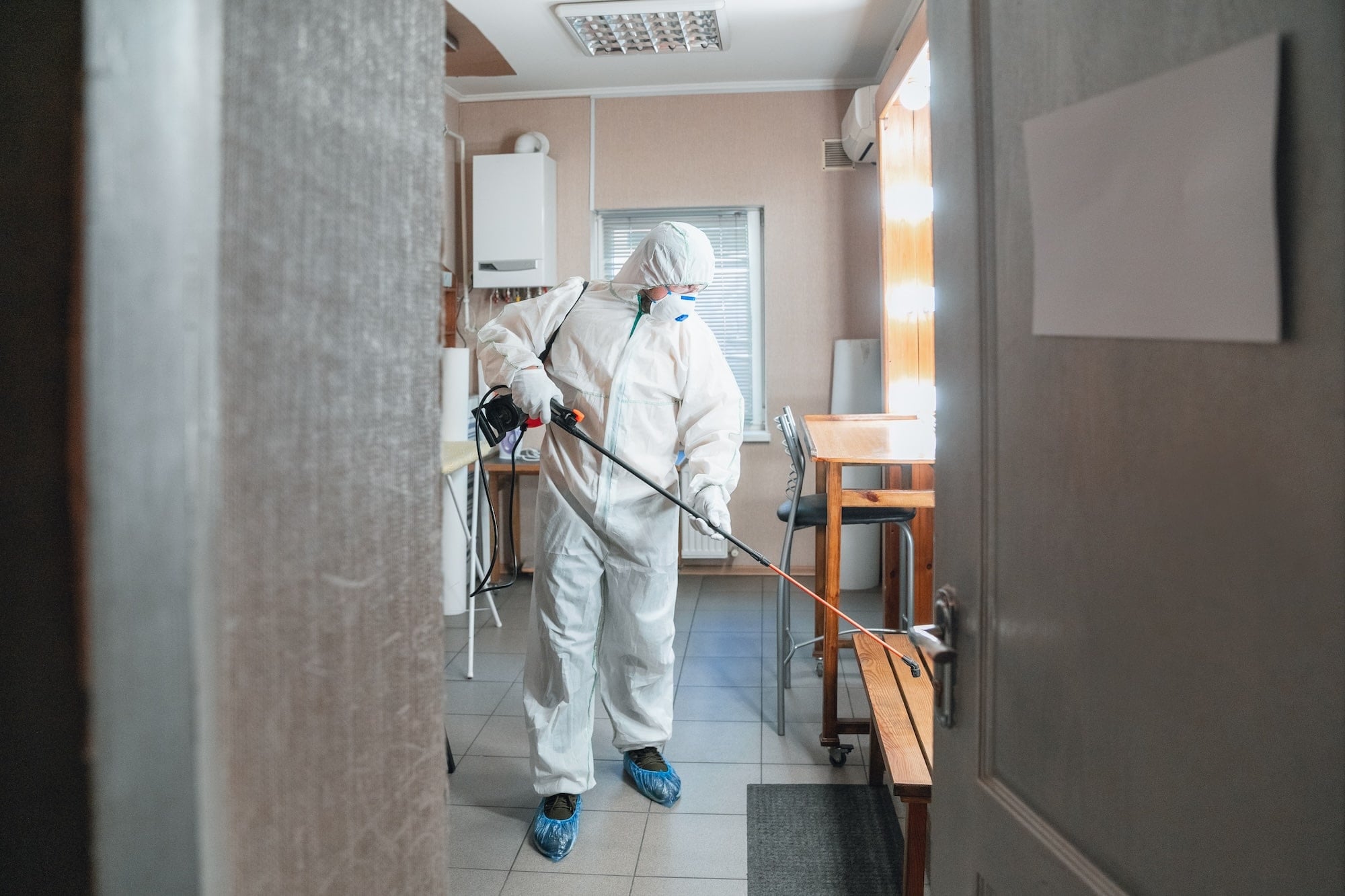
But waiting carries its own cost, especially in a humid environment. Moisture that remains trapped in materials, recurring condensation that keeps getting dismissed, or a small intrusion that hits the same area after every storm can expand the repair scope and complicate the story you have to tell later. What looked like a simple touch-up becomes a tenant complaint, then an air quality concern, then a scheduling problem, then an insurance question.
That is why the best property manager water damage responses are not necessarily the most dramatic. They are the most disciplined. Look early. Ask good questions. Document carefully. Stabilize the situation. Bring in the right expertise when the scope goes beyond basic maintenance.
What steady management looks like
Moisture events are stressful because they cut across everything at once: operations, comfort, budgeting, liability, and trust. In Central Florida, they are not rare enough to treat as one-off surprises. They are part of responsible building management.
The good news is that tenants do not expect perfection. Owners do not expect clairvoyance. What they expect is competence. They want to see that someone is paying attention, speaking plainly, and moving the process forward without denial or drama.
If you do that well, even a difficult event stays manageable. The leak may still be annoying. The drying equipment may still be loud. The repair scope may still grow once walls are opened. But the people involved can feel that the problem is being handled by someone who understands both the building and the human side of the work.
That matters more than any polished script. In commercial property management, especially during a Florida summer, clarity is often the most valuable tool you have.